
No products in the cart.
Before You Buy a Lawn Mower, Read This: 7 Powerful Insights on Remote Control and High-Tech Lawn Mowers
Core Functions, Pros and Cons, Specifications, Remote Control Options, and Safety Features
What a Lawn Mower Actually Does
A lawn mower trims grass to a controlled height using a rotating blade system powered by a gas engine, electric motor, or battery system. The mower applies consistent cutting force across the lawn to produce an even finish, improve turf health, and support lawn aeration and regrowth.
At a technical level, a mower relies on:
- Rotational blade speed (RPM)
- Torque output
- Deck airflow dynamics
- Wheel traction and weight distribution
These factors determine cut quality, fuel efficiency, and how well the mower handles dense, wet, or uneven grass.
Many modern models support mulching mode, which finely chops clippings and returns nutrients to the soil, improving lawn fertility without fertilizers. Others offer bagging or side discharge, giving users flexibility based on yard conditions.
High-ranking keywords included naturally: lawn mower, best lawn mower, grass cutting machine, electric lawn mower, gas lawn mower, cordless lawn mower.
Types of Lawn Mowers
The best lawn mower depends on yard size, slope, grass density, noise preferences, and how automated you want the cutting process to be.
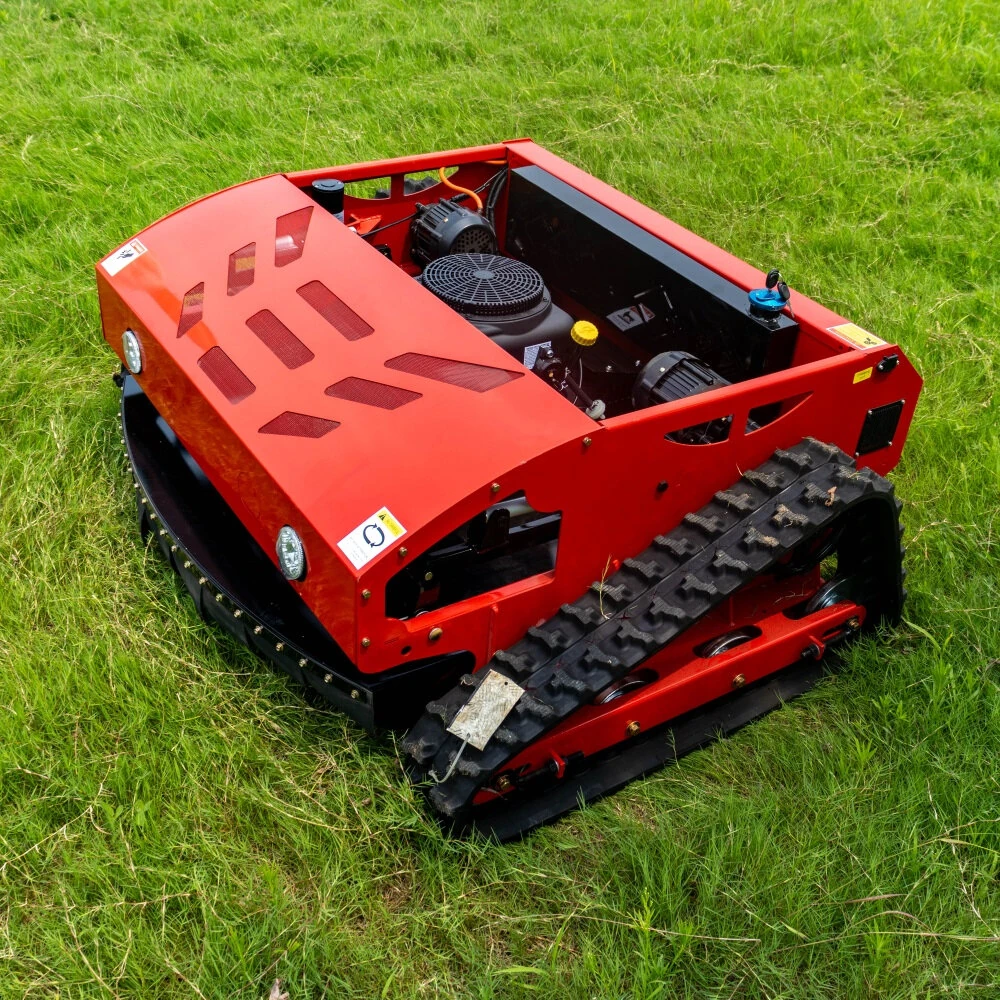
Remote Control Lawn Mowers
Remote control lawn mowers are designed for conditions where manual operation may be unsafe or impractical, such as steep slopes, rough terrain, or areas with obstacles.
These machines are controlled via wireless remote transmitter, allowing the operator to walk at a safe distance while maintaining full control.


Technical capabilities
- Track or all-terrain wheel drive system
- High-torque motors for slope stability
- Low center of gravity to prevent tipping
- Adjustable cutting height and wide deck options
- Reinforced blades for heavy vegetation
Some advanced models are used in industrial landscaping, roadside maintenance, and hill mowing.
Advantages
- Safe operation on steep slopes
- Precise directional control
- Reduces operator fatigue and injury risk
Drawbacks
- Higher price point
- Requires battery or fuel charging logistics
- Learning curve for remote handling
Remote control mowers are becoming a growing category in modern lawn care technology thanks to their safety and versatility.


Push and Walk-Behind Lawn Mowers
Push mowers use manual forward force and are ideal for small to medium lawns with flat terrain.
Technical advantages
- Lightweight chassis improves maneuverability
- Simple design means fewer failure points
- Lower operating cost and easy maintenance
Limitations
- Requires more physical effort
- Less efficient on slopes or thick grass
- Not ideal for large properties
This category remains popular among homeowners who want a budget-friendly lawn mower that still delivers reliable cutting performance.
Self-Propelled Lawn Mowers
Self-propelled mowers use a mechanical or electric drive system to power the wheels while you guide the machine.
Key technical features
- Front-wheel, rear-wheel, or all-wheel drive
- Adjustable speed control
- Higher torque for slopes and uneven terrain
Benefits
- Reduced operator fatigue
- Better traction on hills
- Faster mowing time on large yards
Trade-offs
- More moving parts increase maintenance
- Heavier than standard push mowers
- Higher purchase cost
For medium to large lawns, a self-propelled lawn mower offers the best balance between convenience and power.
Electric and Battery-Powered Lawn Mowers
Cordless and corded models are becoming a top choice for many homeowners looking for a quiet lawn mower with low emissions.
Technical highlights
- Brushless motors improve efficiency and durability
- Lithium-ion batteries provide longer runtime
- Smart controllers regulate power consumption
Pros
- Low maintenance and no fuel mixing
- Quiet operation
- Instant start with minimal vibration
Cons
- Runtime depends on battery capacity
- Replacement batteries can be costly
- Less torque in extreme cutting conditions
Battery runtime typically ranges from 30 to 60 minutes per charge, depending on deck size, cutting mode, and grass thickness.
Gas-Powered Lawn Mowers
Gas mowers remain the most powerful option, especially for dense or overgrown lawns.
Technical characteristics
- Engine size measured in CC or horsepower
- High torque output for thick vegetation
- Durable steel deck construction
Advantages
- Strong cutting performance
- Long continuous operation
- Suitable for rugged terrain
Disadvantages
- Higher noise levels
- Emissions and fuel dependency
- Regular engine maintenance required
For commercial or large-scale mowing, a gas lawn mower still outperforms most electric alternatives.
Ride-On Mowers and Lawn Tractors
Ride-on mowers are designed for large estates, farms, and professional landscaping.
Technical strengths
- Wide cutting decks (30–54 inches)
- Hydrostatic or gear transmission
- High-capacity engines and reinforced frames
Benefits
- Covers large areas quickly
- Comfortable seating and ergonomic controls
- Excellent for fields and open spaces
Limitations
- Requires storage space
- Higher upfront and maintenance costs
- Not ideal for small lawns
They are the best choice when productivity and efficiency are the top priorities.
Robotic Lawn Mowers
Robotic lawn mowers automate grass cutting using boundary sensors, navigation algorithms, and micro-blade cutting systems.
Technical features
- GPS or perimeter wire navigation
- Collision and lift sensors
- Programmable cutting schedules
Pros
- Fully automated mowing
- Very quiet operation
- Consistent trimming pattern
Cons
- Limited cutting width
- Requires yard setup
- Not ideal for rough or sloped terrain
They excel as a maintenance mower rather than a heavy-duty cutting solution.
Key Technical Specifications to Check Before Buying
When choosing the best lawn mower, pay attention to the specifications that directly affect performance and lifespan.
- Cutting width and deck size
- Blade material and design
- Motor or engine power output
- Battery voltage and amp-hour rating
- Weight distribution and wheel traction
- Noise level (dB rating)
- Chassis and deck build quality
- Cutting height adjustment range
- Mulching, bagging, or discharge configuration
A mower with the right specs delivers better cutting efficiency, smoother handling, and longer service life.
Pros and Cons of Different Lawn Mower Types
| Type | Pros | Cons |
|---|---|---|
| Push mower | Affordable, simple, lightweight | Requires manual effort |
| Self-propelled | Easy to operate, great for slopes | Higher cost, more parts |
| Electric mower | Quiet, eco-friendly, low maintenance | Limited runtime |
| Gas mower | Very powerful, durable | Noise, fuel, emissions |
| Ride-on mower | Fast for large lawns | Expensive, bulky |
| Robotic mower | Fully automated | Limited cutting capacity |
| Remote control mower | Safe on slopes, precise | High upfront cost |
Must-Have Safety Features
Look for these safety features when buying a lawn mower:
- Blade brake clutch or automatic shutoff
- Child-lock or removable safety key
- Anti-tip and lift protection
- Debris guards and discharge shields
- Thermal or overload protection in electric models
- Emergency stop functions in remote and robotic models
Having the right safety features ensures secure and accident-free mowing.
Maintenance and Care
Good maintenance keeps your mower running efficiently:
- Sharpen blades once or twice per season
- Clean deck and remove grass buildup
- Check belts, wheels, and fasteners
- Change oil and filters in gas models
- Store in dry, shaded place
- Charge batteries correctly
Routine care extends lifespan and improves cutting consistency.
Environmental and Noise Considerations
Electric and battery-powered lawn mowers are preferred for low-noise neighborhoods and eco-friendly yard care. Gas models still lead in raw cutting power but produce higher emissions. Mulching clippings instead of bagging supports soil health and sustainability.
For more insight into environmentally conscious equipment, you can explore reputable environmental equipment resources online.
FAQs
1. Which lawn mower is best for a small yard?
A compact electric or push mower is ideal for small, flat lawns.
2. Are battery lawn mowers powerful enough?
Yes, especially models with higher voltage and brushless motors, although dense grass may still challenge lower-end units.
3. When should I choose a gas lawn mower?
Gas mowers are best for tough grass, uneven terrain, and larger mowing areas.
4. Are remote control lawn mowers worth it?
They’re highly valuable for steep slopes, roadside areas, large fields, and locations where operator safety is a priority.
5. How often should mower blades be sharpened?
At least once per season, or sooner if you notice tearing instead of clean cuts.
6. What cutting height is best for grass health?
Around 2.5 to 3.5 inches, depending on climate and grass type.
Conclusion
Choosing the right lawn mower isn’t about picking the most popular model. It’s about matching yard size, terrain conditions, power requirements, safety needs, and maintenance preferences. Whether you’re considering a self-propelled mower, gas mower, cordless lawn mower, robotic mower, or remote control lawn mower, understanding the technical features and real-world benefits helps you make a confident and informed decision.
If you want, tell me about your yard size, terrain, and budget, and I’ll help you narrow down the best options for your situation.