
No products in the cart.
The Essential Role of Posture Correctors in Sports and Exercise
Introduction: Understanding Posture and Its Importance in Sports
Posture plays a critical role in the realm of sports and physical exercise, directly influencing athletic performance and overall well-being. Defined as the position in which someone holds their body when standing, sitting, or moving, posture impacts not only physical appearance but also the efficiency of bodily movements and functions. Athletes, in particular, must maintain optimal posture to maximize their abilities and minimize the risk of injury.
Good posture aids athletes in performing movements with precision and power. For instance, runners with proper alignment can achieve greater stride efficiency, ultimately improving their speed. Similarly, in sports like basketball, maintaining an upright torso enhances balance, facilitating better shooting and pivoting actions. Athletes engaged in weightlifting benefit from using a posture corrector during training sessions, ensuring they maintain a safe and effective lifting technique that reduces unnecessary strain on the back and joints.
Furthermore, adopting correct posture during sports helps distribute force evenly across the musculoskeletal system, which can greatly reduce the likelihood of injuries. Incorrect alignment often leads to excessive stress on certain muscles and joints, resulting in pain or injuries such as sprains and strains. By employing posture correctors, athletes can develop a heightened awareness of their body mechanics, fostering healthier movement patterns that contribute to long-term success in their sporting endeavors.
In conclusion, an awareness of posture and its implementation through targeted exercises and posture corrective tools demonstrates a substantial influence on athletic performance and injury prevention. Recognizing its significance allows athletes to hone their skills while promoting overall health, establishing a foundation for improved performance in their chosen sport.
What is a Posture Corrector?
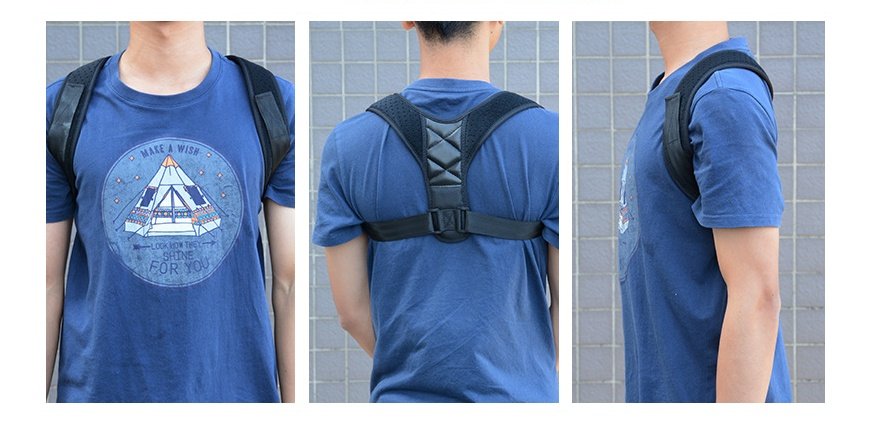
A posture corrector is a device designed to reinforce proper posture by aligning the spine and shoulders during various activities, particularly in sports and exercise. These devices typically take the form of straps, braces, or shirts that are worn over or under clothing. The primary purpose of a posture corrector is to help individuals develop a healthy posture and reduce the risk of injury, particularly during physical activities.
There are several types of posture correctors available in the market, each designed for different levels of support and comfort. Some of the most common types include:
- Adjustable braces: These are typically made of elastic or breathable materials, allowing you to customize the level of tension and support according to your preferences. Adjustable braces are often favored by active individuals as they provide versatility during sports and workouts.
- Shoulder straps: Designed to pull back the shoulders and align the upper back, these straps are beneficial for individuals who tend to hunch their shoulders. They can be particularly useful during exercises that require upper body strength, offering additional support.
- Posture shirts: These specially designed garments integrate elastic panels that encourage proper spinal alignment without the need for bulky devices. They can be worn during daily activities, sports, or exercise, making them an attractive choice for those seeking a discreet option.
Posture correctors work by providing gentle resistance to encourage the wearer to maintain an upright posture. By reminding individuals to position their bodies correctly, these devices promote muscle memory, which can lead to long-term improvements in posture. In addition to enhancing posture, posture correctors can alleviate discomfort in the neck, shoulders, and back, promoting overall well-being, especially for those engaged in rigorous sports and exercise routines.
How Poor Posture Affects Athletic Performance
Poor posture can significantly hinder an athlete’s performance across various sports and exercises. When an individual fails to maintain a proper alignment in their body, it can lead to decreased strength, flexibility, and balance, all of which are essential components for excelling in physical activities. For instance, athletes often rely on optimal body mechanics to perform movements efficiently, and any misalignment can compromise their effectiveness, leading to subpar results.
One of the primary ways that bad posture affects performance is through decreased strength. When the body is not properly aligned, certain muscle groups become overactive while others become underactive. This imbalance can result in increased muscle fatigue, making it challenging to maintain high performance levels throughout training or competition. Additionally, poor posture can restrict the natural range of motion in joints, which in turn can limit flexibility. Athletes need flexibility to perform dynamic movements, and a lack of it can prevent them from achieving their best performances.
Balance is another crucial aspect that can be negatively impacted by poor posture. When an athlete’s center of gravity is off due to improper alignment, it can lead to instability during sports, which increases the risk of falls and injuries. Common injuries associated with bad posture include strains, sprains, and tendinitis, which can not only impede performance but also result in long recovery periods. Such injuries create a cycle that diminishes an athlete’s training regimens and reduces their overall effectiveness in their sport.
Ultimately, the significance of posture cannot be overstated in the world of sports and exercise. Athletes looking to enhance their performance should consider adopting supportive tools like a posture corrector to improve their alignment, thereby minimizing the risk of injury and enhancing their overall abilities in their chosen disciplines.
The Role of Posture Correctors in Preventing Injuries
Posture correctors play a critical role in preventing injuries among athletes by ensuring proper alignment of the spine and body during various sports and exercise activities. Athletes, regardless of their skill level, often subject their bodies to intense physical stress, which can lead to imbalances and misalignments. The incorporation of a posture corrector can address these issues, allowing for improved biomechanics and reduced risk of injury.
Research indicates that poor posture is a significant factor in sports-related injuries. According to a study published in the Journal of Sports Medicine, nearly 70% of athletes experience injuries stemming from incorrect body mechanics, highlighting the importance of maintaining proper posture during physical exertion. Posture correctors work by promoting awareness of body alignment, guiding athletes toward maintaining an optimal posture while engaging in sports and exercise. This alignment assists in evenly distributing physical stress across muscles and joints, thereby mitigating the risk of injury.
Moreover, a recent survey conducted by the American Physical Therapy Association revealed that athletes using posture correctors reported a 30% decrease in common sports injuries, including strains and sprains. These devices encourage an upright posture which not only reduces pressure on the spine but also enhances overall athletic performance. When the body operates in a more aligned state, athletes are able to push their limits without compromising their safety.
As athletes incorporate posture correctors into their training regimens, a comprehensive approach to injury prevention and overall performance improvement can be achieved. Ensuring proper body alignment during sports and exercise is essential, and posture correctors stand out as a valuable tool in promoting this form of preventive care.
Integrating Posture Correctors into Exercise Routines
Incorporating posture correctors within exercise routines can significantly improve the effectiveness of workouts while promoting proper alignment and reducing the risk of injury. To effectively integrate these devices, it is essential to select appropriate exercises and training programs that enhance both posture and physical performance.
One of the primary areas where posture correctors can be beneficial is during core strengthening exercises. For instance, when performing planks or abdominal workouts, wearing a posture corrector can encourage proper spinal alignment while motivating the core muscles to engage fully. This reinforcement not only supports exercise effectiveness but also builds a stronger foundation for other physical activities.
Furthermore, posture correctors can be invaluable during resistance training. For example, when executing squats or deadlifts, maintaining an upright posture is crucial in avoiding lower back strain. A posture corrector offers support in maintaining shoulder positioning, which can help in perfecting the form throughout the movement. Individuals training with weights should consider utilizing a posture corrector to promote safe lifting techniques.
Additionally, incorporating posture correctors during flexibility training, such as yoga or Pilates, can enhance stretching sessions. These activities often require a strong emphasis on alignment, and using a posture corrector can serve as a tactile reminder for individuals to keep their shoulders aligned throughout various poses.
In summary, the integration of posture correctors into exercise routines is feasible and beneficial across various physical disciplines. By strategically using these devices during core strengthening, resistance training, and flexibility exercises, athletes can foster better body mechanics that ultimately elevate their sports performance and overall fitness. Regular use of a posture corrector can contribute to long-term improvements in posture, which is essential for anyone who engages in regular physical activity.
The Benefits of Using a Posture Corrector During Sports
Engaging in sports requires optimal body alignment to enhance performance and minimize the risk of injuries. One of the significant advantages of using a posture corrector during these activities is the improvement in performance. When athletes maintain proper posture, they can execute movements more effectively, leading to increased power and efficiency. This efficiency can result in better speed and improved overall performance metrics.
In addition to performance enhancements, posture correctors contribute to heightened body awareness among athletes. By promoting correct alignment, these devices help individuals develop a deeper understanding of their body’s positioning during various exercises and sports. This awareness is crucial as it allows athletes to make real-time adjustments to their form, thereby reducing the likelihood of injuries that stem from improper biomechanics.
Furthermore, sustained physical health is another critical benefit of using a posture corrector in sports. Regular use can help to alleviate discomfort associated with poor posture, such as back pain and muscle tension. By encouraging proper spinal alignment, these devices can contribute to long-term musculoskeletal health, which is essential for athletes who engage in repetitive motions. This preventive care not only promotes longevity in sports but also assists in maintaining overall physical well-being.
Integrating a posture corrector into training regimens is an insightful step for athletes at all levels. It not only supports better performance but also fosters an increased body awareness and promotes sustained physical health. Adopting such tools can pave the way for a safer and more effective sporting experience, ensuring athletes can train and compete to the best of their abilities.
Choosing the Right Posture Corrector
Selecting an appropriate posture corrector is essential for enhancing performance in sports and exercise. With the diverse range of products available, it is important to consider individual needs and activities to achieve optimal results. Firstly, assess the level of support required. For high-intensity sports that involve dynamic movements, a posture corrector that offers substantial support and stability is advisable. Conversely, for low-impact exercises, a lighter model may suffice, allowing for more flexibility.
Size is another critical factor when choosing a posture corrector. A corrector that fits well will provide the necessary support without discomfort. It is advisable to consult size charts specific to each product and, if possible, to try on different options before purchase. The fit should be snug yet comfortable, ensuring that the corrector remains in place during activities.
Material quality is crucial as well, especially for a posture corrector that will be worn during sports and exercise. Breathable, moisture-wicking fabrics can enhance comfort during workouts, preventing overheating and excessive sweating. Durability is also an important consideration; select a corrector made from high-quality materials that can withstand regular use and the rigors of sports activities.
Additionally, look for posture correctors that offer adjustable features. This flexibility allows users to customize the level of support to their specific requirements, which can change based on the type of exercise being performed. Some models provide additional features, such as alignment indicators or educational materials on proper posture, which may further assist in corrective strategies.
In conclusion, choosing the right posture corrector involves careful consideration of size, material, support level, and additional features. By aligning these factors with individual needs and specific activities, one can significantly enhance their posture and overall performance in sports and exercise.
Real-Life Testimonials: Athletes and Posture Correctors
In recent years, posture correctors have gained significant traction among athletes across various disciplines, serving as essential tools to enhance performance and reduce the risk of injury. Numerous testimonials from professional and amateur sports enthusiasts highlight the transformative impact of incorporating posture correction devices into their training routines.
For instance, a professional tennis player shared their experience of struggling with shoulder and back pain resulting from years of improper posture. After integrating a posture corrector into their daily regimen, they noted a marked improvement in their overall alignment and a reduction in pain levels. This allowed them to train more effectively and participate in matches without fear of exacerbating their injuries.
Similarly, a competitive swimmer reported substantial improvements after using a posture corrector. Swimming requires specific body positioning, and with the assistance of a posture corrector, the athlete was able to maintain optimal alignment, leading to better propulsion and efficiency in the water. The swimmer acknowledged that not only did their performance improve, but they also felt fewer strains during intense training sessions.
A strength and conditioning coach also praised the efficacy of posture correctors among their clients. Many athletes often encounter challenges with muscle imbalances that arise from poor posture. By implementing posture correctors during workouts, the coach observed improved technique among individuals performing weightlifting exercises. This adjustment not only enhanced their performance but also promoted a safer training environment, ultimately contributing to successful athletic outcomes.
From tennis players to swimmers and strength trainers, the consensus is clear: posture correctors play a vital role in supporting athletes in various sports disciplines. The testimonials affirm the universal relevance of posture correction, indicating that whether an athlete is engaged in high-impact sports or precision-focused exercises, the benefits of maintaining proper posture are undeniable.
Conclusion: Embracing Proper Posture for Long-Term Athletic Success
Maintaining good posture is critical not only for enhancing performance in sports but also for promoting overall health and well-being. Athletes and fitness enthusiasts alike can benefit from mindful attention to their body alignment during exercise routines. A well-aligned body helps in distributing weight evenly and reduces the risk of injuries caused by poor biomechanics.
Posture correctors serve as valuable tools that can assist in achieving and maintaining ideal body alignment, reinforcing the habit of good posture during all physical activities. By incorporating a posture corrector into a training regimen, athletes are likely to experience improved efficiency in their movements. This enhancement translates into better performance in various sports, as well as in day-to-day physical activities.
Moreover, adopting proper posture through the consistent use of posture correctors can aid in minimizing discomfort and fatigue associated with prolonged physical exertion. This aspect becomes increasingly important as athletes engage in intense training and competition. The long-term benefits of utilizing these devices extend beyond immediate performance; they encompass sustained physical health, driving improvements in mobility, flexibility, and overall functionality.
It is essential for athletes to recognize and appreciate the role of good posture in their sporting lives. The adoption of posture correctors should be viewed not merely as a temporary aid but as a commitment to lifelong health and athletic achievement. Ultimately, embracing proper posture is a pivotal step towards long-term success in any athletic pursuit, ensuring a strong foundation upon which athletes can build their skills and accomplishments.